The disciples are frightened, and they have every reason to be. In the space of one evening they have heard that one of them is a traitor, that their bravest will deny even knowing Jesus, and that the Master they left everything to follow is going somewhere they cannot come. The ground is falling away beneath them. And Jesus, who is himself hours from the cross, spends this chapter not seeking comfort but giving it. That is the wonder of John 14: the one with the most to fear steadies everyone else. He does not soothe them with vague reassurance. He gives them concrete things to hold on to: a home being prepared, a way that is a Person, a Helper coming to stay, and a peace the world cannot counterfeit.
1The Father's house
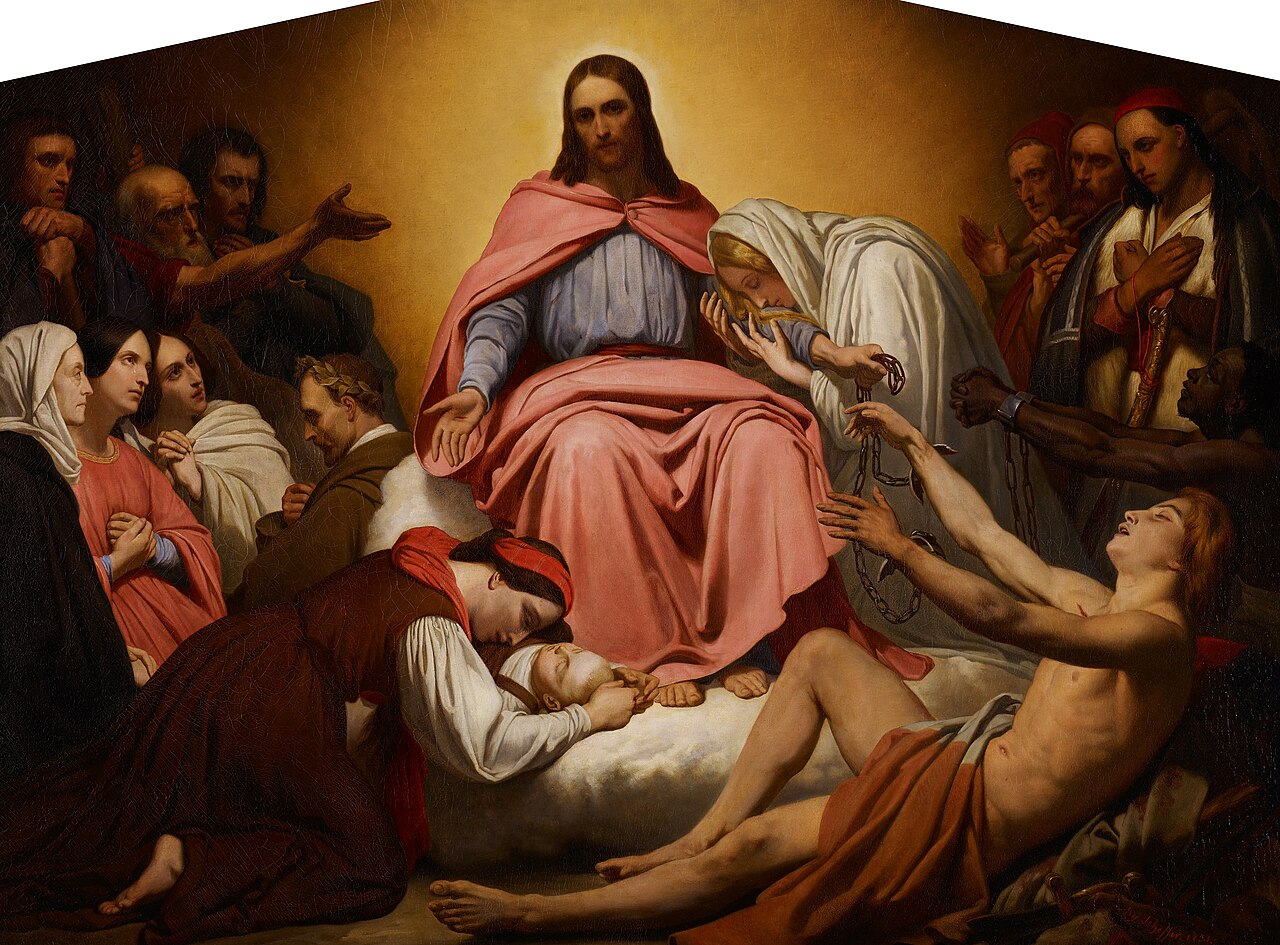
His first cure for a troubled heart is trust: "believe in God; believe also in me." Notice that he sets faith in himself right alongside faith in God, as naturally as breathing. Then he gives them a picture to steady them. His leaving is not abandonment but preparation. He is going ahead to the Father's house, a home with room to spare, to get a place ready, and he will come back for them. The heart of the promise is not the mansion. It is the last line: "that where I am you may also be." Heaven, in Jesus' description, is not first a place of golden streets. It is a Person: being with him, at home, forever. The reason he leaves is so that, in the end, they will never be apart from him again.
2“I am the way”
Thomas, bless him, says what everyone is thinking: "Lord, we do not know where you are going. How can we know the way?" He wants a map. Jesus gives him something better and stranger — not a route but himself.
I am the way, and the truth, and the life. No one comes to the Father except through me.
John 14:6The sixth great "I am," and it answers three questions at once. How do we get to the Father? Jesus is the way: not a set of directions but the road himself, the one who carries us home. How do we know what is real? Jesus is the truth, not merely a truthful teacher but truth in person, God made visible. How do we find life? Jesus is the life, the very life of God, given to those who are joined to him. And then the line the modern ear resists: "no one comes to the Father except through me." It sounds narrow, and it is. But hear it in context. This is not a bouncer guarding a door. It is a rescuer, on the last night of his life, telling frightened friends exactly how to be sure of reaching the Father: through me. The exclusive part is not the cold shutting of other doors. It is the flinging open of the one door that actually leads home, at the cost of his own life. A narrow way that anyone may walk, bought with his blood, is very good news.
"No one comes to the Father except through me" is one of the most consequential sentences in the Bible, and how we hold it matters. Held with arrogance, it becomes a club. Held as Jesus meant it, it is the most hopeful thing imaginable: there is a way to God, it is sure, and it is open to anyone — the Samaritan, the blind beggar, the thief on the cross. The claim is not that a particular religion or tribe has the monopoly, but that the eternal Son who made us and died for us is himself the bridge back to God, and that no other bridge does what he does. It is exclusive about the means (Christ alone) precisely so that it can be radically inclusive about the invitation (whoever will may come). The narrowness is all in the door; the welcome is as wide as the world.
Philip asks to be shown the Father, and Jesus' reply reaches all the way back to the Prologue. "No one has ever seen God," John wrote, but "the only God… has made him known" (1:18). Now Jesus says it to Philip's face: you want to see God? You have been looking at him for three years. "Whoever has seen me has seen the Father." Jesus is not a snapshot of part of God or a lesser copy; to see him is to see the Father, because he and the Father are one. If you ever wonder what God is like, what is really in his heart toward you, you do not have to guess or climb. You look at Jesus.
3The Helper who comes to stay
But how will any of this survive his leaving? The answer is the great gift promised in this chapter: he will not leave them to manage on their own. He will send the Spirit.
παράκλητοςparaklētos · "one called alongside"
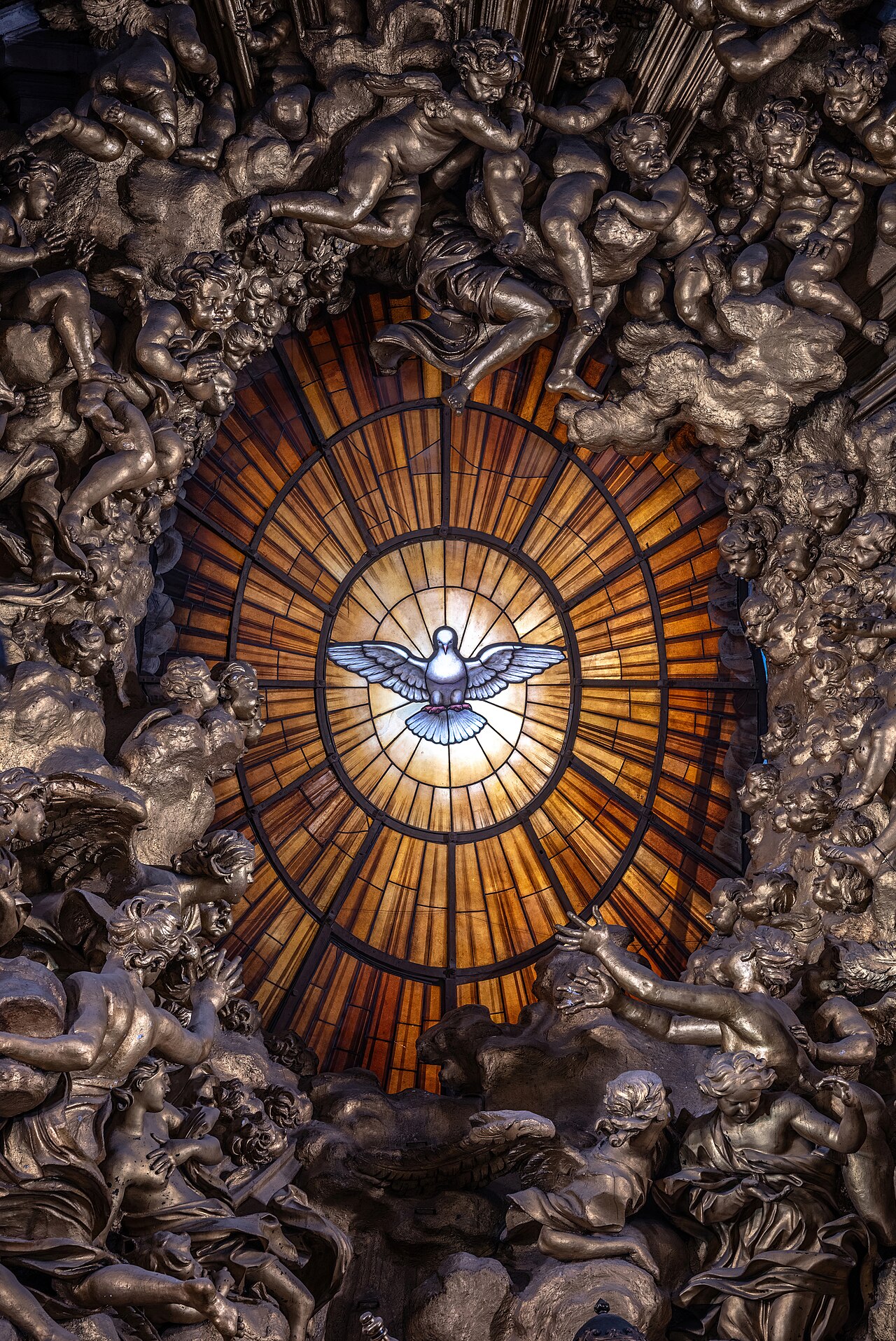
The word behind "Helper" is famously hard to translate — it has been rendered Comforter, Counselor, Advocate, Helper. Literally it means one called alongside to help, a word at home in a courtroom (an advocate who stands with you) and in a crisis (a comforter who steadies you). Two things about it are precious. First, Jesus says "another Helper" — another of the same kind as himself, meaning the Spirit will be to them everything Jesus has been. Second, "to be with you forever." Jesus was with them for a few short years and is now leaving; the Spirit will never leave. What the disciples are about to lose in one way, they are about to gain in a deeper way — God not merely beside them but within them, permanently. "I will not leave you as orphans."
The chapter ends where it began, with troubled hearts — but now with a gift laid in their hands. "Peace I leave with you." The world's peace is the absence of trouble, and it evaporates the moment trouble comes. The peace Jesus gives is different in kind: it is his peace, the settled calm of the Son who knows the Father, given to people in the middle of the storm rather than after it. He is about to walk into betrayal, torture, and death, and he offers his friends peace on that very night — not a promise that nothing will go wrong, but a peace that holds when everything does.
Where this leaves us
Steadied on a hard night
What is most moving about John 14 is who is doing the comforting. By every human measure it should be the disciples steadying Jesus — rallying around their friend on the eve of his execution. Instead he steadies them. Facing the cross, he thinks about their fear. And what he gives them is not a feeling but a set of solid facts to stand on when feelings fail: there is a home being prepared, and he is going to get it ready; there is a way to the Father, and it is a Person who loves them; there is a Helper coming who will never leave; there is a peace on offer that the world cannot give and cannot take away. These are the handholds for every troubled heart since. When the ground gives way — and it will — the command still stands, and now it has content: Let not your heart be troubled. You are going home, by a sure way, with a Helper inside you, in a peace that is his own. Believe in God. Believe also in him.
Questions
- Facing the cross, Jesus spent his energy comforting his friends. What does it tell you about him that his instinct, in his own worst hour, was toward others' fear? Discuss
- Heaven is described first as "where I am you may also be" — a Person before a place. How does that reframe what you're actually longing for? Reflect
- "No one comes to the Father except through me." How do you hold this claim with both conviction and grace — as an open door rather than a closed one? Discuss
- "Whoever has seen me has seen the Father." When you picture God's disposition toward you, does it match the Jesus of the Gospels — or something colder? Reflect
- Jesus offers a peace "not as the world gives" — one that holds during the storm, not just after. Where do you most need that kind of peace right now? Reflect