The farewell continues, and Jesus reaches for one last image to tell his friends how to live once he is gone. He has been the bread, the light, the door, the shepherd, the resurrection, the way. Now he is the vine, and it is the most intimate picture of them all. Not a shepherd beside his sheep or a door before a room, but a life running through them, so bound to theirs that they cannot be told apart. "I am the vine; you are the branches." Everything in these two chapters grows out of that one fact: the fruit, the love, the joy, and the endurance under a hostile world. Cut the branch from the vine and it can do nothing but wither. Keep it joined, and the fruit takes care of itself.
1“I am the true vine”
The word to catch is "true." Israel had been called God's vine for centuries — and in the prophets, almost always as a vine that failed. "I planted you a choice vine," God laments in Jeremiah; "how then have you turned degenerate?" Isaiah sings a heartbroken song about a vineyard that yielded only wild grapes. Every hearer knew the sad tradition. So when Jesus says "I am the true vine," he is claiming to be the faithful Israel that the nation never managed to be — the vine that finally bears the fruit God planted his people to bear. And we are grafted into him. Our fruitfulness is not our own achievement wrung out by effort; it is his life flowing through us.
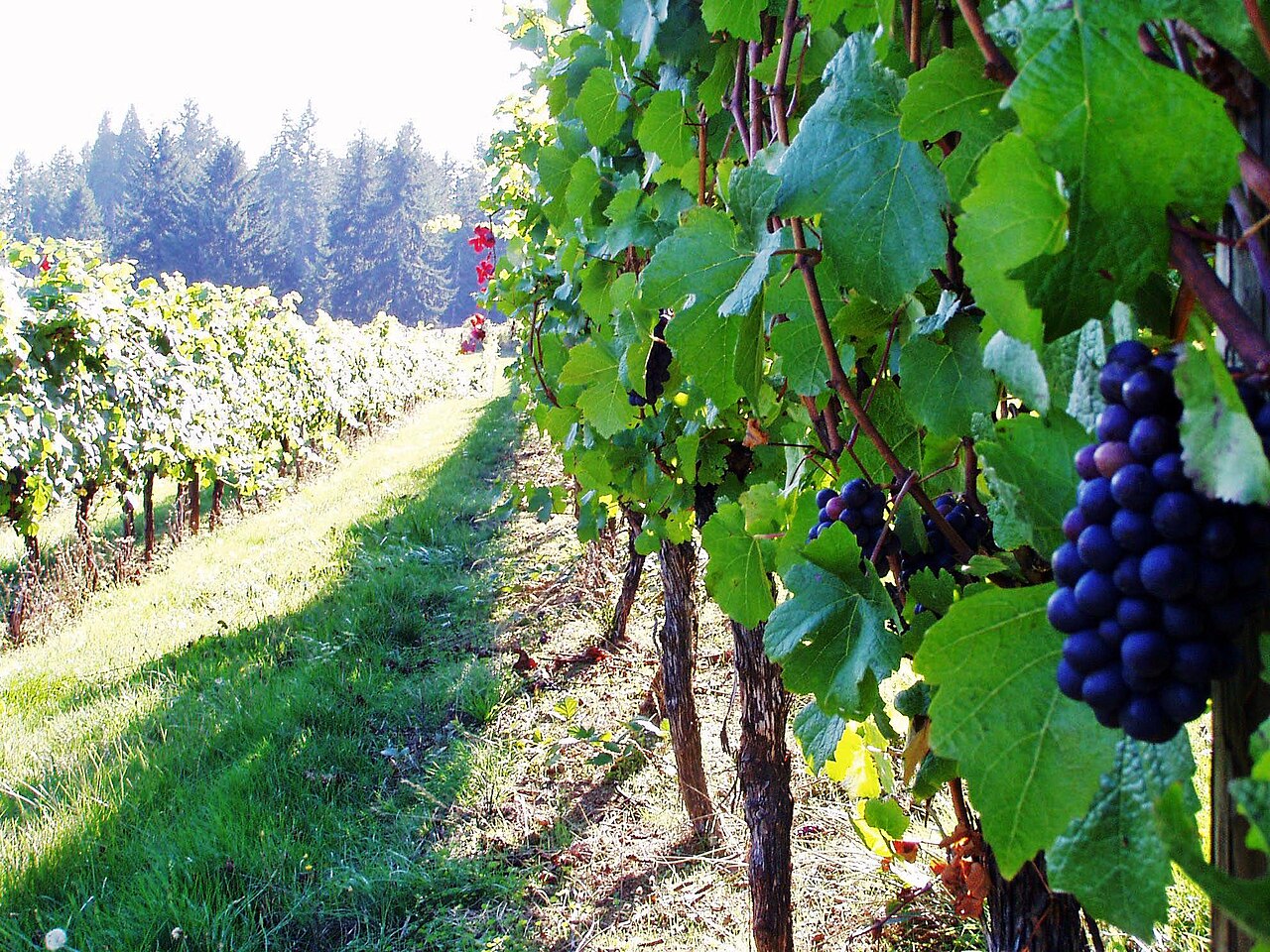
"Abide" is the key word. It appears ten times in a few verses, and it simply means stay: remain, keep living in him. Not visit occasionally, but dwell. The promise and the warning are equally blunt. Abide, and you bear much fruit. Cut yourself off, and "apart from me you can do nothing." Not a little. Nothing of eternal worth. This is the death of self-powered Christianity. The branch does not manufacture grapes by gritting its teeth. It produces them by staying connected and letting the life come up from the root. The Father even prunes the fruitful branches, cutting back what is good so more can grow, which is why seasons of loss and stripping are so often not punishment but the vinedresser's care. He is not killing the branch. He is making it bear more.
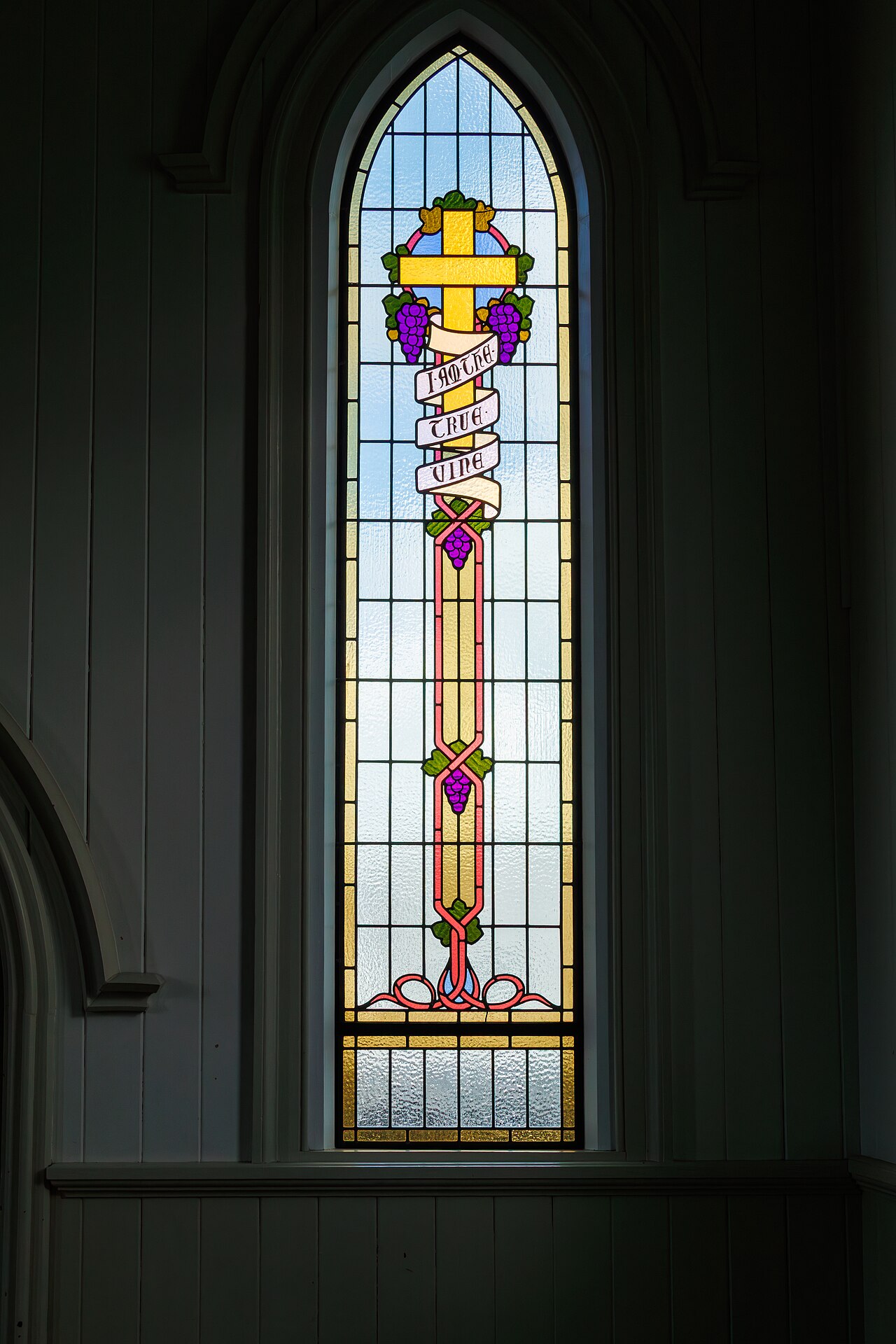
"I am the true vine" answers a long, sad story of Israel as God's failed vineyard. Read the vine passages Jesus is fulfilling:
2Friends, chosen and sent
The fruit of abiding is love, and Jesus defines that love with a sentence that will be literally true of him within a day.
Two staggering gifts are handed over here. First, friendship. The gap between the eternal Word and a dozen Galileans is infinite, and yet he refuses the word "servant" and insists on "friends" — people he confides in, opens his heart to, loves to the point of dying for. Second, the reminder of who moved first: "you did not choose me, but I chose you." We are prone to imagine we picked God, made the smart decision, found our way to him. Jesus turns it around. Every branch on this vine was grafted in by the vinedresser's hand, chosen and appointed and set there to bear fruit that lasts. Our love for him is always the echo of his prior love for us.
3A hated world and a coming Helper
Then the tone turns bracing. If the branches are joined to a vine the world crucified, they should not be surprised when the world turns on them too.
It is a sober word, and an honest one. Jesus never sells discipleship as a path to popularity. The same light that some run toward, others hate, because it exposes them — and those who carry the light will draw some of the same fire. But they will not carry it alone. Into the promise of hostility Jesus sets the promise of help, and says something almost shocking: it is actually better for them that he leaves.
How could losing the physical presence of Jesus be an advantage? Because the Jesus who could only be in one place at a time would, through the Spirit, now be present everywhere his people are, and not merely beside them but within them. The Helper's work, Jesus says, is threefold: he will "convict the world concerning sin and righteousness and judgment" (16:8) — pressing the truth on hearts that would otherwise never feel it; he will "guide you into all the truth" (16:13), unfolding the meaning of Jesus to the church; and above all he will glorify Christ, "for he will take what is mine and declare it to you" (16:14). The Spirit is not a spotlight on himself. He is a floodlight on Jesus.
4Sorrow turned to joy
The disciples are baffled by all the talk of "a little while," and Jesus meets their confusion with one of the tenderest images in the discourse: the pain of childbirth, forgotten in the joy of the child.
The cross is coming, and it will feel like the end of everything. But it is labor, not death — a wrenching pain with a birth on the far side of it. Their grief on Friday will be swallowed by joy on Sunday, and that joy, unlike the world's, is one "no one will take" from them. And then the discourse comes to rest on a final, magnificent word for everyone who has ever followed Jesus into a hard world.
In the world you will have tribulation. But take heart; I have overcome the world.
John 16:33He does not promise them an easy road. He promises them the outcome. "In the world you will have tribulation," he says, flat and certain. And in the same breath, "I have overcome the world," spoken in the past tense, on the night before the cross. From where Jesus stands, the victory is already won. The disciples are not marching toward a battle whose result is in doubt. They are following a Lord who has already won it and is walking them home. Take heart.
Where this leaves us
Stay joined
If you had to reduce these two chapters to a single instruction, it would be one small word: abide. Not achieve, not strive, not manufacture — stay. Stay joined to the vine, and the fruit, the love, the joy, the endurance all follow as naturally as grapes follow sap. So much of the exhausted, brittle version of the Christian life comes from trying to bear fruit while cut off from the source — doing for Jesus what can only come from staying in Jesus. He was blunt about how that ends: "apart from me you can do nothing." But the reverse is just as true and far more hopeful. Abide in him, and you will bear much fruit; and behind your abiding is a vinedresser who chose you, grafted you in, prunes you in love, and has already overcome the world you are afraid of. The branch's whole job is simply to remain on the vine. He does the rest.
Questions
- "Abide" simply means stay. What does staying joined to Jesus look like in the ordinary rhythm of your week — and where have you drifted into doing for him rather than remaining in him? Reflect
- The Father prunes even fruitful branches. Can you look back on a painful stripping-away that later produced more fruit? Reflect
- "You did not choose me, but I chose you." How does it change your sense of your faith to know his love moved first? Discuss
- Jesus said it was to their advantage that he leave, so the Spirit could come. Do you live as though the indwelling Spirit is a real advantage, or do you secretly wish for a more visible Jesus? Discuss
- "I have overcome the world" — past tense, before the cross. How would facing this week differently look if you truly believed the outcome is already settled? Discuss