John has set these two chapters back to back on purpose, and the contrasts are almost too neat to be accidental. Nicodemus: a man, a Jew, a ruler, a scholar, named and respected, who comes to Jesus by night. This one: a woman, a Samaritan, nobody's idea of respectable, unnamed, who meets Jesus at noon. He came in the dark and left still fumbling in it. She came in the blazing light of midday and left carrying the light back to her town. The teacher who had every advantage could not see the kingdom; the outsider who had none became the first missionary in the Gospel. Grace, John keeps insisting, does not run along the lines we draw.
1A well at noon
Two small details set the scene, and both matter. First, Jesus is "wearied… from his journey" and sits down thirsty in the heat. This is the Word made flesh (1:14) with real dust on his feet and a real dry throat — God, exhausted at midday. Second, it was "about the sixth hour," noon. Women drew water in the cool of morning or evening, together; to come alone at the hottest hour is the mark of someone avoiding the crowd, a woman whose story has made the company of other women something to dodge. Jesus, a Jewish man traveling alone, is exactly who she does not want at the well. And he speaks first.
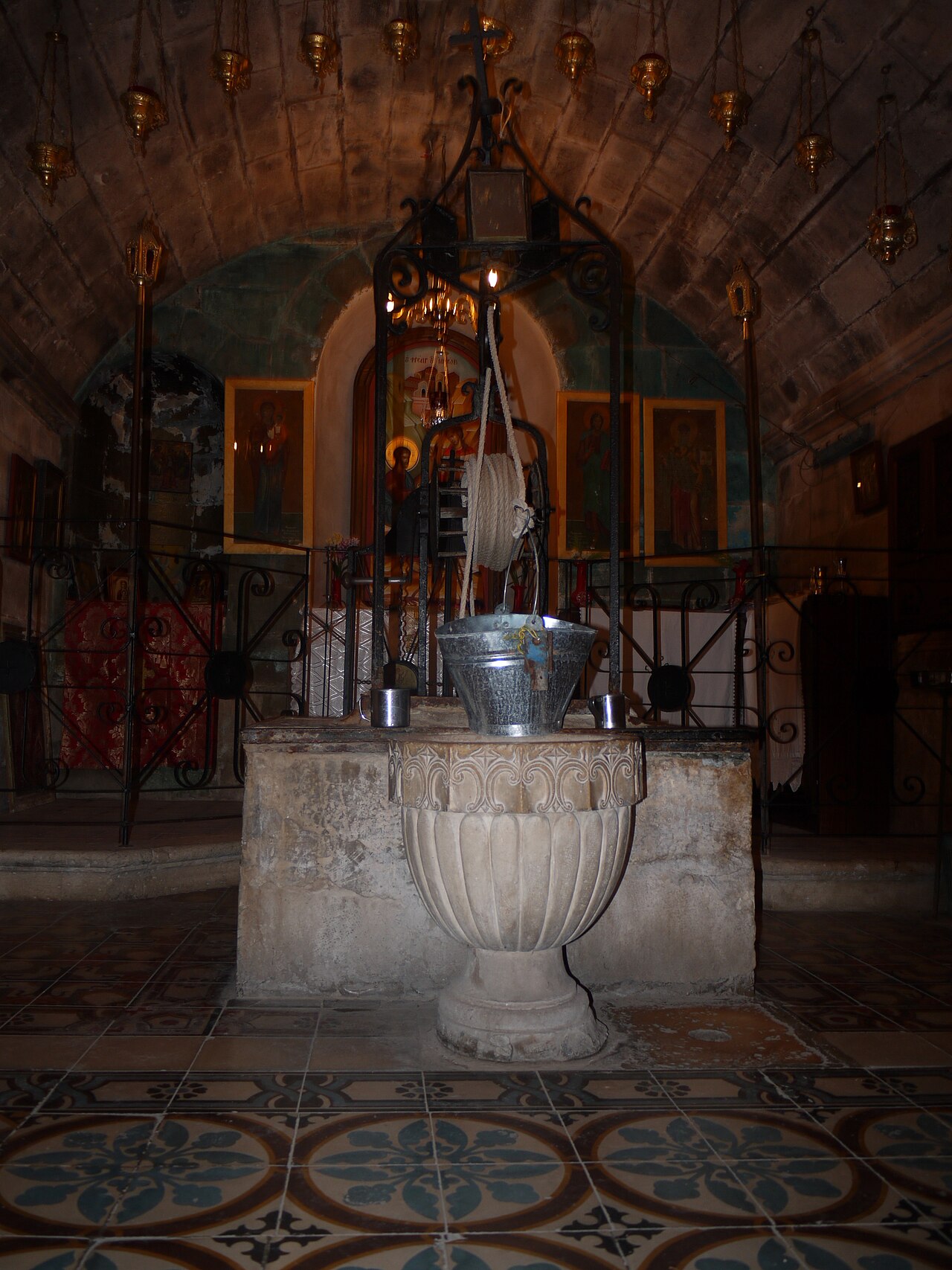
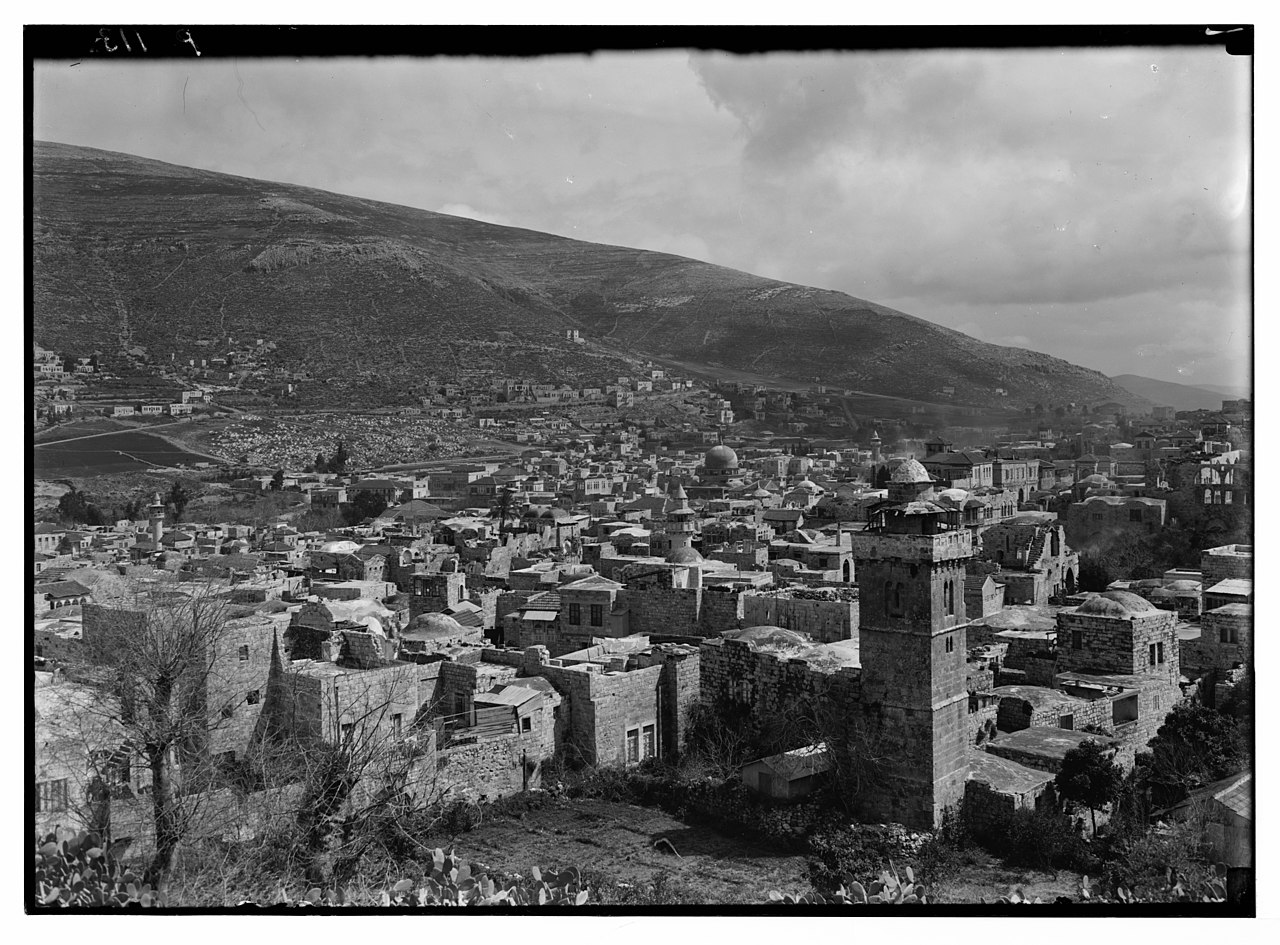
Her surprise is warranted. The bad blood between Jews and Samaritans was centuries old — a feud over ancestry, over Scripture, over which mountain God had chosen. Devout Jews traveling north routinely crossed the Jordan to go around Samaria rather than set foot in it. But verse 4 said Jesus "had to pass through Samaria," and the "had to" is not about geography; the shortest road was a divine appointment. He came this way for her. That a Jewish rabbi would ask a Samaritan for a favor, and a lone woman at that, breaks two taboos at once. The whole conversation begins with Jesus deliberately putting himself on the wrong side of every line his culture had drawn.
An ancient reader would have felt something familiar stirring here. In the Old Testament, the great love stories begin at wells: Abraham's servant finds Rebekah for Isaac at a well; Jacob meets Rachel at a well; Moses meets Zipporah at a well. A man, a woman, a well, a drink of water — this is a betrothal scene, and the audience knew the shape of it. John has already called Jesus the bridegroom (3:29). Now the bridegroom comes to a well to seek a bride — and she turns out to be a five-times-married Samaritan with a live-in partner, the least likely bride imaginable. That is the point. The people Christ comes to make his own are not the respectable. The gospel is a wedding to the wrong kind of people.
2Living water
In one sentence he turns the whole exchange around. A moment ago he was the thirsty one asking her for water; now he is the one with water to give, and she is the one dying of thirst without knowing it. "Living water" in ordinary speech just meant flowing water, spring water rather than still cistern water, and she hears it that way — how will you draw it, you have no bucket, this well is deep? Like Nicodemus with "born again," she takes the earthly meaning and misses the heavenly one. But Jesus is talking about something the prophets had promised for centuries.
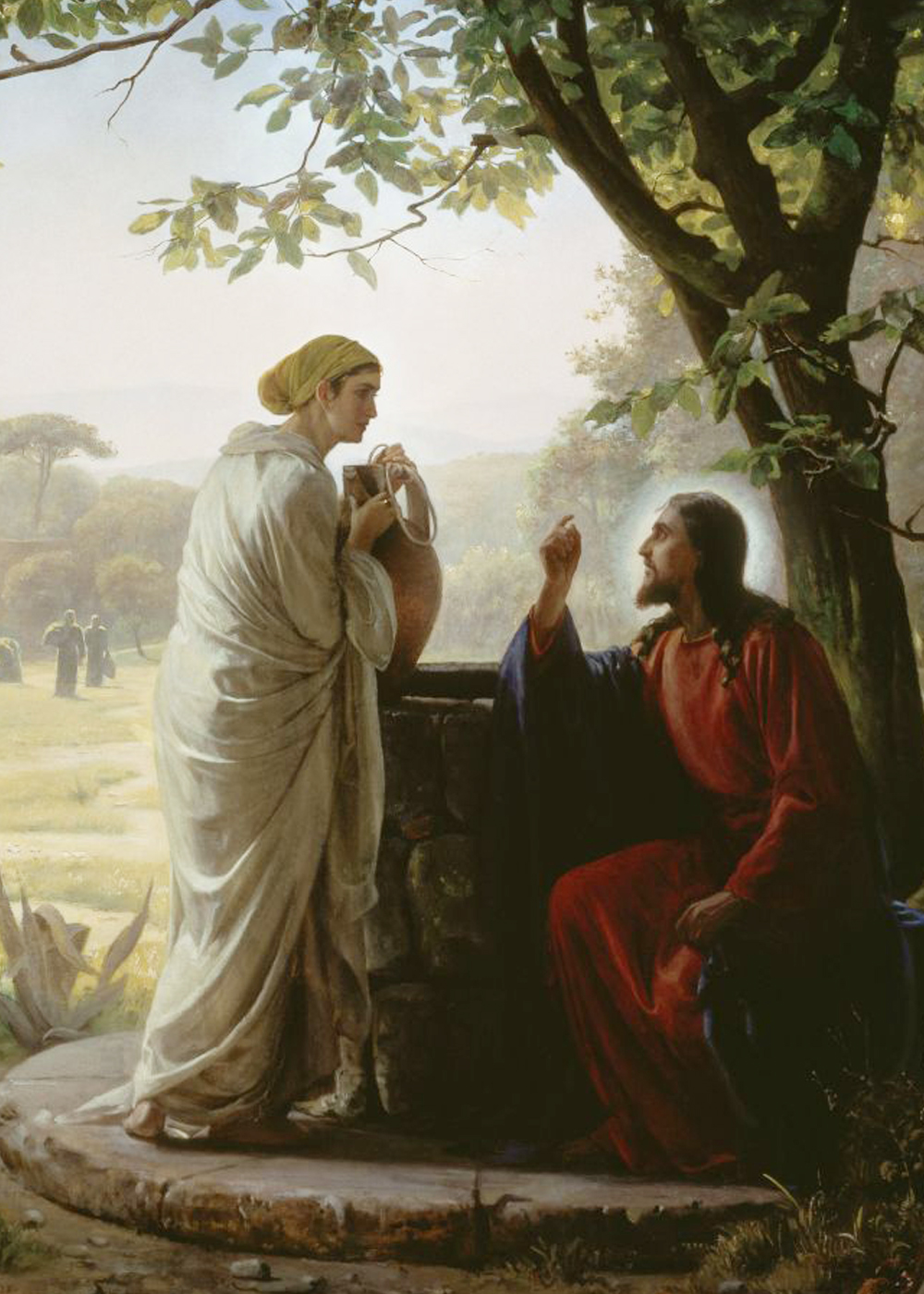
She has spent her life going back and forth to this well, hauling water that never lasts — a fair picture of the way she has gone back and forth through five husbands, always thirsty, always returning to the same dry ground. Jesus offers the opposite: not another trip to the well but a spring installed inside her, water that does not run out, that "wells up to eternal life." He is describing what he will later name outright as the Holy Spirit poured into the believer (7:37–39). The endless, exhausting round trips to satisfy a thirst that always comes back — he means to end them, by becoming a fountain within.
"Living water" runs through the whole Bible — God as the fountain his people keep abandoning, and the river he promises to pour out in the end. Follow the water:
3In spirit and truth
The turn toward her marriages is not a change of subject; it is Jesus reaching for the wound the whole conversation has circled. He does it without cruelty and without flinching — he simply lays her life on the table, all of it, and calls what she said "true." This is the living water at work: it will not fill a life that has not first been told the truth about itself. And notice she does not run. Being fully known, which she has spent years at that noon well avoiding, turns out in his presence not to destroy her but to open her. "Sir, I perceive that you are a prophet."
Then she raises the great dividing question between their peoples: where is God rightly worshiped — here on Mount Gerizim, as Samaritans held, or in Jerusalem, as Jews held? It could be a dodge, a way to steer off her marriages onto safe theological ground. Jesus takes it seriously and blows past both answers.
Neither mountain, he says. The question of the right place is being dissolved, because the God who is spirit is not captured by a location. We heard this already when Jesus called his own body the true temple (2:19–21): with him, the meeting place with God is no longer a spot on a map but a person, entered by the Spirit. Real worship is not a matter of standing in the correct building but of the Spirit-renewed heart meeting God in truth. And then, to this woman, of all people, he says the thing he has said to no one so plainly yet.
The first time in this Gospel that Jesus openly says who he is, he says it to a Samaritan woman with a scandalous past, in a foreign field, with no one important watching. The Greek behind "I…am he" is egō eimi, "I am" — a phrase that will grow heavier and heavier through the book until it carries the very name of God (8:58). Here it arrives quietly, as a gift to someone the world had written off.
4“Come, see a man”
She "left her water jar." Four words, and they are a small resurrection. She came for water and forgot it entirely, because she had found the spring Jesus promised and no longer needed the bucket. Then she does the very thing this Gospel keeps holding up as the shape of real faith: she runs to fetch others. "Come, see" — the same words Jesus used on the first disciples and Philip used on Nathanael (1:39, 46). And her testimony is not polished theology; it is honest and a little tentative, built entirely on the fact that she was known: "he told me all that I ever did. Can this be the Christ?" The very thing she was hiding at noon becomes the thing she cannot stop talking about.
It works. The town streams out, and by the end their faith has grown past secondhand.
"The Savior of the world" — a Samaritan village says it, about a Jewish rabbi, in defiance of every wall between them. In an empire where "savior of the world" was a title stamped on coins for Caesar, these outsiders hand it to the tired man from Galilee. The Prologue said the light was for everyone (1:9); here, far from Jerusalem, we watch it happen.
5Postscript: taking him at his word
The chapter closes back in Cana, where it all started two chapters ago, with a second sign that quietly measures what real faith is. A royal official begs Jesus to come down and heal his dying son. Jesus tests the crowd's sign-hunger aloud — "unless you see signs and wonders you will not believe" (4:48) — then simply tells the man, "Go; your son will live." And here is the whole point: the father does not insist Jesus come with him, does not demand to see anything. "The man believed the word that Jesus spoke to him and went on his way" (4:50). He walks home on nothing but the bare word of Christ, and finds the fever left his boy at the very hour Jesus spoke. From the Samaritans who heard "for ourselves" to a father who trusted a sentence, John is teaching us to move from needing the spectacle to trusting the word.
Where this leaves us
Known, and not run off
What breaks this woman open is not a clever argument. It is being completely known and not driven away. Jesus names the very thing she came to the well at noon to hide, and instead of recoiling he offers her a spring that will never run dry. That is the gospel in one conversation. Most of us are still making the noon trip, arranging our lives to keep from being fully seen, hauling water that never satisfies. Jesus offers the opposite. He sees all the way to the bottom, and he stays, and he gives. The woman's response is the only one that fits: drop the old bucket and go tell someone. She could not explain much. She only knew she had been known and loved anyway, and that was enough to empty a town toward Jesus.
Questions
- Jesus "had to pass through Samaria" for one appointment with one outcast. Where might an inconvenient detour in your life actually be a divine appointment? Discuss
- The woman kept hauling water that never lasted. What are the wells you keep returning to for a satisfaction that always drains away? Reflect
- She was fully known and not rejected, and it changed everything. Is there something you are keeping from the light, afraid that being known would mean being cast off? Reflect
- Jesus dissolves the "which mountain?" question: God is worshiped in spirit and truth, not in a place. How does that reshape what you think worship really is? Discuss
- Her testimony was just, "he told me all that I ever did — come and see." What would it look like to witness that simply, out of what Christ has done in you, without needing all the answers? Discuss